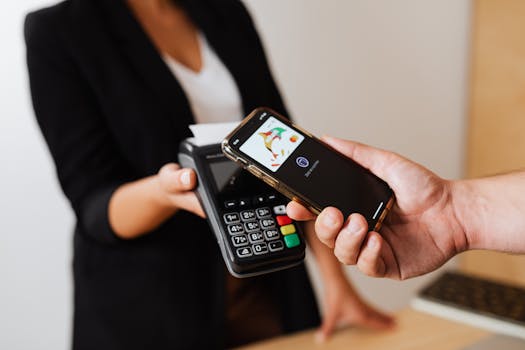
Picture grabbing coffee and paying—no wallet, just a tap. The digital payment economy creates these moments, where convenience and habit merge into something surprisingly efficient.
Sending money, buying groceries, or even splitting the dinner bill now happens without touching cash. The scope of these shifts reaches far beyond shopping—they’re changing how trust, access, and routine are built.
If you’ve ever wondered what drives this transformation or how these habits can work for you, you’ll find practical stories and advice ahead.
Small Shifts: Big Changes in Daily Spending
You can unlock surprising savings and reduce hassle by making just one change to your daily checkout routine. Here’s how small habits fuel the digital payment economy.
Skipping the usual card swipe, for instance, instantly shortens waits—and frees up mental energy for what matters that day. Tiny differences quickly add up.
Setting Up: One-Time Steps for Ongoing Ease
A friend recently added a payment app to her phone after forgetting her wallet. She set her default funding option, linked her account, and snapped a selfie for ID verification. The process took only five minutes. Now she says, “I never worry about paying for lunch or groceries.”
Streamlining setup, like turning on notifications for spending updates, means the next transaction is even faster. One up-front burst of motivation leads to hundreds of smooth, quick exchanges.
Experiencing that first frictionless payment can nudge people to experiment with everything from loyalty rewards to instant deposits. Momentum really does build.
Comparing Methods: Which Fit Your Life?
Some folks love a quick fingerprint scan; others prefer PayPal in their browser, auto-completing address details. Choosing what fits means fewer forgotten cards and less worry about lost cash.
Observe which payment platforms local retailers support, as not all options work everywhere. Testing two or three over a week reveals which feels most natural in your daily rhythm.
People who align payment habits with their routines find they’re more likely to stick with them. The digital payment economy rewards consistency over perfection—start with what suits your day.
| Payment Method | Best For | Drawbacks | Takeaway |
|---|---|---|---|
| Contactless Phone App | Speed and convenience in-store | Needs charged phone | Keep your device charged and secure for daily use |
| QR Code Payments | Restaurants, quick-split bills | Sometimes slower with poor wifi | Scan codes early in the checkout flow |
| Peer-to-Peer Apps | Sending to friends, small businesses | Potential fees for instant transfers | Choose instant funding options when urgency matters |
| Credit Card Tap | Traditional settings, loyalty points | Taps occasionally glitch | Have backup if traveling or in new locations |
| Email Payment Links | Remote payments, freelancers | Spam risk or phishing attempts | Check sender authentication before clicking links |
Gaining More Than Speed: What Digital Payments Unlock
Beyond moving cash, digital payment platforms reveal new ways to track, budget, and build routines. Each adopted platform nudges users toward less friction—and greater control financially.
Embracing new technologies early means getting familiar with rewarding features, like instant spend alerts or batch budgeting, before others catch on.
Using Tools to Build Better Habits
Many apps encourage positive behaviors with spending summaries. Seeing weekly trends can nudge someone to skip that third take-out order or reallocate more into savings after payday.
- Set expense limits: Activating notifications for excess spending prevents going over budget without conscious effort. Choose tight limits for trials, then adjust as habits settle.
- Enable digital receipts: These let you categorize expenses every Friday for clearer monthly totals and tax prep. Clean recordkeeping reduces stress at year-end.
- Try split payments: Groups or families can instantly divide costs after outings, keeping shared finances transparent and preventing future tension.
- Lock cards instantly: A lost device doesn’t derail your wallet—one setting on your app can pause all spending while you search or replace.
- Batch bill payments: Schedule multiple bills with a few taps, minimizing risk of late fees and freeing time for more engaging tasks.
Combining two or more of these approaches quickly makes routines nearly automatic. Each brings real, bottom-line value to everyday life.
Building a Buffer: More Flexibility Using Digital Features
Short-term cash crunches become less stressful when you set up notifications that alert you as balances change. People use linked savings or backup credit lines for quick transfers, especially during surprises.
- Create an emergency transfer: Tuck a small sum in a separate digital wallet that’s one tap away. Use only for unplanned expenses, not day-to-day splurges.
- Enable low-balance warnings: These reminders prompt small deposits before charges bounce—cutting down surprise fees and last-minute borrowing.
- Link automatic top-ups: This ensures primary accounts don’t run empty just before rent or recurring payments hit. Setup time: under two minutes.
- Add spending freeze tools: When tempted by shopping urges, a one-click freeze on select categories can deter impulse splurges on wants rather than needs.
The digital payment economy isn’t just about moving money quickly—it’s about building real, repeatable routines that support life’s ups and downs.
Streamlining Group Costs and Social Exchanges
Splitting costs at a restaurant or sharing a subscription once required awkward arithmetic and trust. Now, group payments ride on digital rails. The digital payment economy has made shared spending painless.
Quick-Start for Groups: A Scenario Guide
A group of friends visits a taco truck. Instead of one person paying and everyone promising to “Venmo later,” each one scans the truck’s QR code. Every share is paid instantly, with receipts lined up for review. No arguments, no IOUs.
When turning this into a habit, groups designate one person to generate payment links or divide expenses with built-in app tools. The process is repeatable—anyone can run it for the next outing.
This micro-routine removes the social barriers that cash or checks created. Even better, everyone leaves with clear records, limiting misunderstandings.
Beyond Dining: Shared Household and Travel Routines
Roommates paying for utilities, group travelers booking hotels, or families handling subscriptions can all automate shared payments. Apps allow quick splitting, scheduling, and receipts in moments.
Some apps even enable partial payments toward larger bills over the month. For example, the family Netflix bill can be set to draw a fixed share from each person’s account, automatically dividing the cost down to the cent. Arguments vanish, and late fees disappear.
Most group tools include a shared tracker showing who’s paid and what’s still owed. Anyone with access can check status, boosting transparency and making follow-up polite and easy.
Security in Everyday Transactions: Small Steps with High Impact
Each tap, scan, or transfer puts privacy and funds at stake. Everyday safeguards build protection before trouble arises. The digital payment economy thrives on trust, anchored in these micro-behaviors.
Enabling biometric login on your primary payment device blocks most unauthorized access. A simple thumbprint works nearly instantly and removes the need for dozens of passwords in crowded places.
Routine Security: Reduce Risks in Seconds
A quick example: A commuter enables spending alerts. The next day, an unexpected $50 charge pops up. In minutes, the app’s support chat freezes the account and reverses fraud, long before a traditional card company might react.
Digital receipts, spending breakdowns, and instant support chats combine for a level of vigilance rarely seen with cash or checks. Making fraud harder means every step is a little safer.
Using Two-Factor and Smart Device Lockdowns
Strong security means layering defenses. Pairing PINs with biometrics, or requiring codes to approve large transfers, puts extra speed bumps in front of digital thieves.
For high-dollar purchases or new payees, ask your app to require additional authentication—like a code sent via text or a notification prompt. These delays feel minor, but they drastically cut risk from accidental or unauthorized transfers.
Review device permissions quarterly. A quick audit uncovers rarely used connections, which can be shut off for extra peace of mind.
Technology Adoption at Work and School
From workplace cafeterias to campus bookstores, digital payment tools streamline the line. The digital payment economy enters work and school settings in genuinely useful ways.
Companies increasingly distribute bonuses or stipends via peer-to-peer apps, so workers can access perks with minimal delay. Schools often recommend pre-paid campus cards to cut down cash handling—and lost lunches.
Getting Set Up: A Mini Checklist
For workplaces, IT departments roll out company accounts. Workers complete a quick onboarding, link credentials, and—if needed—opt into workplace discounts or points.
On campus, students register their email and create a payment profile. From then on, everything from vending machines to event tickets works with a single tap.
Practical Outcomes: Dialogue and Scenarios
At the lunch table, a team member says, “I just paid for coffee and got 5% back on my app.” Another replies, “I loaded up my balance earlier, so no scramble for change.”
These micro-interactions reinforce the ease and social acceptance of digital payments. Within weeks, the whole team or class is less stressed about split bills, refunds, or payroll timing.
Addressing Common Friction Points
Even with rapid growth, not every store or person is ready for digital payments. The digital payment economy works best when you build backup plans for gaps.
Adapting quickly means carrying a small reserve of cash or a backup card for markets or travel. Letting trusted contacts know your preferred methods prevents missed payments and awkward situations.
Realistic Solutions: What to Say and Do
When visiting a new shop, try, “Do you accept Apple Pay or Venmo?” If not, tap your backup card. Offer, “Could you send me a payment link instead?”
Direct communication keeps things simple. When plans change, confirming payment preferences ahead of time ensures smooth exchanges—no last-minute confusion.
- Ask for payment options as soon as you enter: Saves disappointment at checkout and lets you plan next steps.
- Carry a minimum cash reserve: This bridges gaps where digital access lags, especially useful in rural or older businesses.
- Set recurring reminders: Periodically double-check app updates and accepted methods to keep routines current and payments smooth.
- Share digital payment tips: Help friends and family update their routines. A quick chat can prevent small hiccups for everyone involved.
Smoothing over gaps quickly helps maintain momentum as adoption spreads further.
Looking Ahead: Everyday Progress in the Digital Payment Economy
Every tap and scan signals a shift in habits, not just technology. The digital payment economy is subtly changing our daily rhythms, making transactions less visible but more intentional.
Small steps—like using instant accounting tools, embracing group splits, or just learning to ask for new payment options—stack up over time.
Practical routines and careful choices mean everyday money management gets faster and more flexible, without sacrificing safety. As the digital payment economy grows, being intentional with new tools pays dividends—in time, security, and daily convenience.