You probably check your phone’s screen more often than you use your TV remote. In the last year, a quiet shift has changed how many handle money: mobile finance access is reshaping daily life.
Access to financial services—like paying bills or moving funds—once meant waiting in lines or planning trips to the bank. Now, most people carry a gateway to their accounts nearly everywhere.
This article unpacks moments, habits, and small behaviors that shape how mobile finance access fits into American routines, from first coffee to late-night check-ins. Let’s explore what works, what doesn’t, and how to use these tools confidently.
What Changes When Your Wallet Is Always On?
Imagine reaching for your wallet—and instead, you reach for your phone. Mobile finance access means your ‘wallet’ is ready the moment a need arises.
This shift isn’t just about convenience. It transforms errands, negotiations, and even quick favors at a friend’s house. Here’s what actually changes in practice:
Rule 1: Be Ready for Micro-Decisions
Small decisions add up. Someone splits a lunch check and swipes right into their payment app on the spot. The hesitation evaporates. No delay.
Instead of “I’ll Venmo you later,” Sue nudges her friend, “Just send it now.” Transparency and trust grow bit by bit through these quick micro-payments.
Rule 2: Know the Journey, Not Just the Destination
Setting up routines makes mobile finance access feel trustworthy. For example, enable notifications for any transaction larger than $20. You’ll feel more confident each time funds move.
On Friday nights, some users do a quick check: card balances, pending bills, weekly spending. It takes two minutes. They sleep better, knowing nothing in their digital wallet catches them off-guard.
| Situation | Old Routine | New Mobile Habit | What to Try Next |
|---|---|---|---|
| Paying a neighbor for yard work | Cash, delayed | Instant phone transfer | Save neighbor as a favorite payee |
| Last-minute bills | Bank/ATM trip | Schedule payment on app within minutes | Set payment reminders |
| Splitting dinner with friends | IOUs, split checks | Group payment settled instantly | Use group payment features |
| Checking account balance | ATM or monthly statement | Real-time balance check on app | Set low-balance notifications |
| Getting paid by gig clients | Check or cash, delayed | Mobile payment minutes after job | Link payment request with calendar events |
The Step Sequence: Turning First-Time Use Into a Habit
Most people remember the first time someone asked, “Do you want me to PayPal or Zelle you?” That moment is the turning point.
Repeat actions, friendly reminders, and clear app features transform single use into a weekly ritual—sometimes without you noticing.
Simple Ramp-Up Steps
Getting started can feel intimidating. Breaking it down makes all the difference:
- Download and open your chosen app: Completing this first step at home lowers pressure and lets you follow onboarding prompts calmly.
- Test with a small transaction: Try sending $1 to yourself or a trusted friend to learn the basic motion—just swipe, tap, send.
- Set up Face ID or PIN security: Security feels invisible, but these small steps prevent problems if your phone is lost or stolen.
- Designate a weekly check-in window: Pick a regular spot—maybe Sunday mornings while coffee brews—to review recent transactions.
- Enable only necessary notifications: Start with balance changes and large outgoing payments, tuning out less important buzzes to prevent notification overload.
Practicing these steps builds confidence, leading you to trust the app for bigger transactions next time.
Social Reinforcement Matters
Behavior spreads via example. Friends might even message, “Hey, use the payment app—super easy!” Real conversations lower perceived difficulty more than ads ever could.
The benefit isn’t just for the person sending money. Recipients appreciate promptness and digital records—a quick “thanks for paying so fast!” can reinforce new habits on both ends.
- Initiate a group payment for shared lunch and narrate the steps, so others see how quick it is.
- Send a reminder politely after a shared bill; this normalizes speed and transparency.
- Show a friend how to set up alerts for first-time payments.
- Try splitting personal expenses into categories (groceries, rideshares) and track completion rates with app tabs.
Each action not only helps you but gently nudges friends and family toward smoother mobile finance access.
One Scenario, Many Solutions: Everyday Obstacles
Picture this: Alex left his wallet at home. He needs to pay for gas before a long drive, but only has his phone handy. Mobile finance access saves the day—but only if he knows what to do.
Everyday problems rarely happen on schedule. That’s why knowing backup solutions and fail-safes is as vital as knowing which app to use in the first place.
Checklist for Mobile Missteps
Speed bumps are common: apps freeze, phone batteries drain, or security checks trigger at key moments. Here’s what to try:
- Keep a spare charging cable: Running out of battery can halt transactions—carry one in your bag or car.
- Download your app on a second device: In case your primary phone dies or malfunctions, prep a backup device beforehand.
- Update your app regularly: Old versions lag or crash more often. Newer updates also patch security issues quietly in the background.
- Know support contacts: Keep the helpline or chat feature bookmarked for quick answers if something stalls your payment.
- Save screenshots: After large or unusual payments, a quick screenshot provides proof if anything goes awry.
Each item nudges you toward smoother outcomes and less last-minute stress.
The Analogies That Work
Think of mobile finance access like a Swiss Army knife: more tools at your disposal require only a small shift in habit to deploy them effectively. The tool is only as useful as your readiness.
Or, picture running shoes by the door. If you lay them out, you’re more likely to take a walk. Setting up basic app safeguards makes using mobile money as natural as lacing up before you leave the house.
Comparisons: Mobile Apps Versus Traditional Banking
The contrast between mobile finance access and classic banking routines is as sharp as checking your mailbox versus getting an instant notification.
Choices hinge on the situation, comfort, and urgency—there’s no one-size-fits-all solution.
Mobile: Immediate, But Demands Digital Savvy
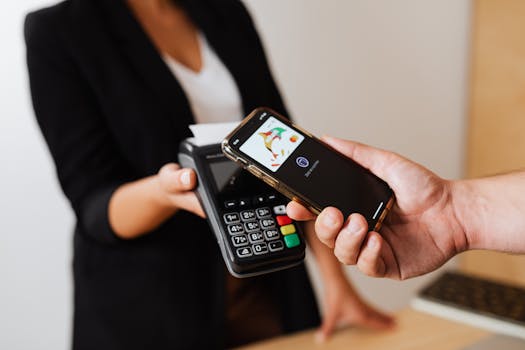
Mobile apps shine when speed counts. You’re at a flea market, and a vendor quotes you a price. Quick scan, instant pay, walk away with your new treasure.
Yet, they demand regular app updates, digital attention, and mindful security habits. Colorful app icons demand a different kind of discipline than checkbooks ever did.
Traditional: Reliability, With Built-In Delays
Traditional banking offers the reassurance of face-to-face support and tangible receipts. For complex needs—like getting a cashier’s check or dispute resolution—the bank branch provides peace of mind.
But, time matters: waiting three days for a check to clear doesn’t work for last-minute bills or spontaneous spending.
Small Habits, Big Wins: Building Confidence
When users integrate mobile finance access into their daily rhythm, confidence grows. This builds a foundation for larger financial decisions and resilience against surprises.
Small checklists, regular reviews, and low-stakes experiments are how most people build up trust in digital tools before relying on them for bigger expenses.
- Create a transaction log at the end of each week—this habit provides insight for future budgeting decisions and catches errors before they slip by.
- Update payment categories every month to sharpen understanding of spending patterns.
- Schedule bill payments on the same day each month to establish consistency and avoid last-minute late fees.
- Enable fingerprint or facial recognition for fast, secure logins—this saves time and adds a layer of safety.
- Invite a friend or family member to try a group payment feature so you both get acquainted with new functionalities in a low-pressure setting.
Practical Experiment: Testing Limits and Discovering Workarounds
Play with boundaries to deepen your mobile finance access skills. Try paying a service provider who only uses checks, then see if your app offers an alternative like mailing checks on your behalf.
Assess which retailers, restaurants, or online shops in your area support direct mobile payments. Make a game out of testing one new app-supported payment method per week—track ease and speed for each attempt.
Checklist: Making Mobile Count Effortlessly
Consider these triggers and routines to keep mobile finance useful, not overwhelming:
- Commit to a monthly security audit—update passwords and review authorized devices.
- Experiment with pushing recurring transfers to savings rather than handling them manually every payday.
- Place essential contacts at the top of your payee list for swift access, especially in emergencies.
- Turn off non-essential notifications to focus on core updates (payments in and out, low balances).
Each experiment or tweak refines your toolkit, letting you handle day-to-day money more smoothly and with less anxiety.
The Takeaway: Putting Mobile Finance Access to Work
We’ve explored how mobile finance access moves from interesting novelty to daily habit. Each touchpoint—group meal, late bill, shared ride—becomes a moment for smoother, faster choices.
Small, consistent actions build the confidence necessary for bigger moves, whether that’s automating transfers, budgeting for the month, or helping family in a pinch.
Challenge yourself to pick one new habit or experiment this week—from setup routines to regular check-ins. Watch how even minor tweaks can put more control and confidence in your daily money flow.