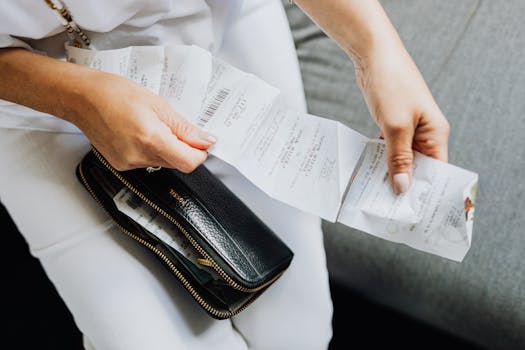
Ever paused at the checkout and wondered where your money actually disappears each month? You’re not alone—most of us experience those moments of financial confusion far more often than we admit.
Tracking money isn’t just about numbers; it’s about noticing habits, unexpected leaks, and small wins. When you use financial progress apps, you start revealing patterns that were invisible before.
If you’ve ever wanted to see your money story more clearly—without feeling overwhelmed—stick around. Let’s break down practical, everyday ways to track progress, gain confidence, and make smarter choices.
Shifting Habits: Seeing Results Beyond the Numbers
Real progress appears as changed routines, not just growing balances. If your goal is to shift spending, financial progress apps make small wins visible every week.
Balancing optimism and honesty takes practice. Apps that chart your habits give gentle feedback, turning ‘try harder’ into ‘try something different.’ Even a week of mindful logging can surface surprising trends.
Build Awareness Through Small Experiments
Set a playful goal: for one week, jot down every unplanned purchase in your favorite financial progress app. Treat it as curious research, not self-judgment.
After seven days, peek at when or why those ‘extra’ expenses pop up. You’ll often notice patterns, like late Fridays or lunchtime shopping, which become visible only when tracked.
Borrow an approach from dieters: treat tracking as data-gathering, not blame. When a notification feels too harsh, adjust it. The goal is to feel informed, not scolded.
Change the Conversation: From Guilt to Curiosity
Instead of asking, “Why did I do that?” try “What was happening when I bought this?” That shift turns your financial progress app into a coach, not a critic.
Many users find that curiosity leads to small, positive tweaks—like prepping snacks before shopping or turning off ‘one-click’ purchases at night.
Once you see progress as a series of tiny experiments, setbacks invite troubleshooting instead of giving up.
| Habit | New Tracking Rule | Result After 2 Weeks | Takeaway |
|---|---|---|---|
| Coffee Shop Spending | Log every purchase in-app | 14 logs, $60 saved | Notice time pattern; swap one trip for home coffee |
| Unplanned Groceries | Snap photo of receipt | Fewer snacks, more veggies | Prepare a list before shopping |
| Streaming Subscriptions | List monthly in app | Two unused canceled | Review subscriptions quarterly |
| Takeout Meals | Mark meals in app calendar | Down from 12 to 6 | Pick takeout nights ahead |
| Impulse Shopping | Wait 24 hours, log desire | Three skipped, money redirected | Give each purchase a pause |
Visual Cues: Making Money Trends Obvious
When progress hides in spreadsheets, it rarely feels motivating. Financial progress apps take boring rows of numbers and instead show color-coded weeks, playful charts, or daily reminders that spark action.
Set one visual cue this week. Maybe it’s a green bar for every on-budget day or a digital star for a skipped takeout night. Small signals keep motivation alive.
Turn Data Into Decisions
It’s easy to glance at a pie chart without changing anything. For visible improvement, attach an action to each insight.
If your ‘entertainment’ slice mushroomed, try a weekend swap: free library movie instead of yet another rental.
- Set a daily check-in for five minutes: This habit keeps spending fresh in your mind and spots leaks earlier.
- Choose one category to review weekly: Focus simplifies improvement without overwhelm. Try groceries or subscriptions first.
- Add reminders for bill-due dates: Prevent last-minute scrambles and late fees with in-app notifications.
- Flag emotional spending triggers: Label purchases with moods or reasons. This creates awareness to break expensive habits.
- Reward yourself for milestone weeks: Hit your target three weeks in a row? Treat yourself in a budget-positive way.
Make your progress visible, not just measured. Each nudge moves you one step closer to your cash goals.
Subtle Adjustments Yield Big Results
Progress sneaks up quietly. An extra $20 left at month’s end signals spending is smarter somewhere, even if you can’t recall exactly where.
Test this: For the next 30 days, open your financial progress app every morning. Don’t analyze—just notice the graph direction or any alert.
- Limit notification frequency: Too many alerts overwhelm; one or two daily keeps attention without stress.
- Celebrate any streak: Consistency grows confidence, so mark consecutive days tracked in your app.
- Customize your dashboard: Move your toughest category to the top for frequent review and simple tweaks.
- Track time as well as dollars: Notice when high-spend moments hit, so you can try simple swaps later.
Small signals and gentle corrections outlast extravagant plans. Progress persists through regular review, not through willpower alone.
Comparing Approaches: Apps, Notebooks, and Old-School Tricks
If you’ve used a paper ledger, switched to a spreadsheet, and then a financial progress app — you already know this: each method creates a distinct feedback loop.
No tool works perfectly for every moment. With financial progress apps, flexibility comes from features: reminders, auto-imports, and simple charts.
Choose Your System by Scenario
If you share finances, apps simplify transparency—while a notebook is a private inventory. For freelancers tracking variable income, customizable dashboards outperform static sheets.
Try an experiment: For one week, jot down grocery and gas spending by hand, and for another week, track digitally. Notice which system keeps you checking back.
Adapting to Life Transitions
During big changes—new jobs, moves, or growing families—manual methods often fail to keep up. Financial progress apps streamline onboarding and sync with new accounts automatically.
If the budget stops making sense, it’s time for a tool upgrade. Experiment with app templates, or set up new categories matching your altered reality in seconds.
Tracking Milestones: Turning Routine Into Motivation
Measured milestones—paying off a credit card, hitting three months of rent savings—convert bland logging into fuel for momentum. Progress isn’t always linear, but visible targets make improvement tangible.
Set quarterly mini-goals, not just long-term dreams. Each small win deserves a quick celebration inside your financial progress app, which can reinforce good choices as you go.
Micro-Rewards Build Momentum
Reward yourself with something satisfying but not budget-breaking. Maybe that’s a coffee date, an afternoon off, or simply a digital badge for consistency.
Apps that enable custom rewards help anchor new habits and keep users coming back, even after minor setbacks or boring budget weeks.
Monthly Reflections for Real Change
Automate a monthly check-in at the end of your billing cycle. Review top wins, hardest setbacks, and one tweak to try next.
With regular reflection, reminders become less about restriction and more about informed, confident choice. Progress then becomes the sum of well-aimed nudges.
Create a Personal Progress Blueprint
Each person’s financial life is unique—so let your tracking method adjust with you. Try starting with expense categories that feel most painful or surprising.
If you’re not sure where to begin, copy this quick-start checklist below or adapt it for your tools:
- List all sources of income: Knowing what comes in builds a reliable baseline for decisions and goal setting.
- Break out spending by need vs. want: This first split often unlocks powerful new awareness.
- Revisit major expenses monthly: Rent, car payments, or childcare need regular noise-checks as life changes.
- Tag recurring emotional purchases: Emotional cues help reveal patterns and openings for sustainable habit shifts.
- Reflect on one surprise expense: Ask yourself what signals you’d want to notice sooner next time.
Work this list at your own pace. The goal isn’t perfection but visibility and stability week by week.
Mini-Experiments: Testing Tactics for Progress
Trying new methods with low risk can build confidence, especially if you feel stuck or overwhelmed. Small experiments, tracked in financial progress apps, make improvement concrete.
Here’s an example: Log each $5 or less purchase for a month. Many people realize how quickly little spends add up—and decide to set automatic reminders for these categories.
Realistic Challenges to Prompt Action
Challenge yourself to a three-day spending freeze on one nonessential category. Log missed impulses inside your financial progress app—not just the money, but also mood and timing.
Notice if the urge shrinks after a few days, or shift to a preferred alternative like prepping a snack at home.
Track-Swap: Handwritten vs. App Logging
For a week, use only paper receipts. Then, track the same expenses using only your favorite app and compare both experiences. Which do you check first? Which one actually altered your routine?
Experimenting like this shows which method anchors progress—and can inspire a permanent habit upgrade.
Celebrating and Resetting: The Ongoing Progress Cycle
Every stride deserves recognition. Positive reinforcement sustains us during slow months, and regular resets encourage bounce-back after setbacks.
Build a celebration routine into your preferred financial progress app—maybe it’s confetti on payday or a personal note for consistency.
Occasionally, give yourself a reset window: review three months of trends, archive old budgets, and set a new micro-goal reflecting your current priorities.
Ask yourself, ‘What would a 10 percent improvement look like this quarter?’ Bold progress rarely arrives by accident, but steady review makes it inevitable over time.
Keep Progress Personal and Flexible
Tracking financial progress isn’t a one-size-fits-all journey. By tailoring your approach and using the strengths of financial progress apps, you’re building a system that works for your actual life.
Stay curious about your habits, adjust your routines naturally, and appreciate small shifts—not just big wins. Consistency over time counts far more than perfection.
Ready for a small productive action? Open your financial progress app today. Choose one tiny tweak, set a visual reminder, and check in tomorrow. Progress always starts with a single tracked moment.