Picture paying at the grocery store with a single thumb tap—no search for bills, no waiting for change. Mobile payment apps make that ordinary scenario feel new again, revealing how effortless checkout can actually be.
Money once moved at the speed of paper and pockets. Now, convenience drives decisions as much as cost. When you can pay for coffee before it brews, that everyday upgrade matters to nearly everyone.
Curious about how mobile payment apps change daily routines? You’ll find rules to streamline errands, firsthand comparisons, and easy tips ahead—so your next purchase happens with less hassle.
Cutting Wait Time: Streamlining Daily Purchases
Standing in line rarely helps anyone’s mood. The practical reality? Shaving even a minute from checkout makes shopping less stressful. Mobile payment apps are designed to cut those wasted pauses.
Stores that accept digital wallets often see fewer bottlenecks at registers, especially during lunch hour or weekend rushes. That means less time glancing at your watch, more time moving on.
One-Tap Payment in Action
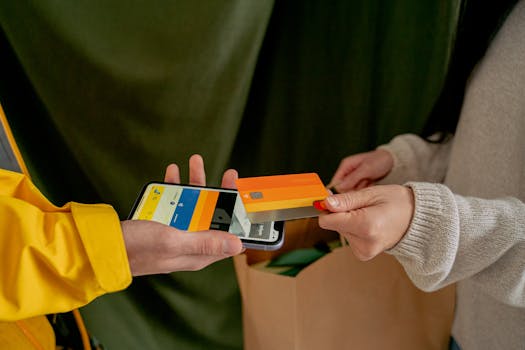
As you reach the register, open your phone, scan a code, and the receipt pings your inbox. Cash never changes hands. The clerk barely pauses: “You’re good to go!”
This routine takes seconds, even less if you’ve used the same app before. The process removes the common mishap of miscounting coins or fumbling with credit cards after a workout.
Comparison: Card, Cash, App
Let’s say Anna visits the corner bakery. Paying cash took her 45 seconds—hunting bills, counting change. With her card, it dropped to 25 seconds, including keypad entry for a PIN.
Using mobile payment apps, Anna wrapped up in under 10 seconds. No signup, no learning curve, just tap and go. It’s the difference between losing your spot in line and snapping up those last muffins.
| Payment Method | Average Transaction Time | Common Issue | Best Next Step |
|---|---|---|---|
| Cash | 40–60 sec | Counting error, lost change | Use only for cash-only spots |
| Credit Card | 20–30 sec | Forgotten PIN, swipe fails | Store PIN securely |
| Mobile Payment App (Registered) | 8–12 sec | Low phone battery | Charge before errands |
| Mobile Payment App (First Use) | 20–35 sec | Setup time | Pre-install favorite app |
| Contactless Card | 12–18 sec | Reader error | Keep a backup card |
Security on the Move: Keeping Payments Safe and Quick
Speed is only comforting if it feels secure. Mobile payment apps combine instant transactions with layers of digital security, offering features traditional wallet owners might overlook.
Biometric authentication—like fingerprint or face unlock—keeps access tight. Many users simply hold their phone to a reader, and the device confirms identity faster than a signature.
Checklist: Building Transaction Confidence
Digital payment security feels different than pausing to enter a PIN. A few steps help reduce worry and make each purchase a habit:
- Enable biometric access for your app—so only you can open it at checkout, ensuring nobody pays with your phone but you.
- Set up transaction alerts—these real-time notifications help spot any unusual activity right away after a purchase, not hours later.
- Keep your phone’s software up to date—payments run more smoothly and attack risks drop when apps have the latest patches.
- Use strong, unique app passwords—never reuse logins from other services, which helps keep multiple accounts safe.
- Back up your data—so even if you lose your phone, you keep account access and transaction history intact.
Following these tips lowers stress and speeds up your learning curve with any new payment app.
Practical Security—Two Quick Habits
Tap to pay, then swipe back to your home screen. Don’t leave sensitive screens open in public, just as you pocket cash quickly after receiving change.
If a purchase notification looks off, open your app’s security settings, freeze the account, and call support. Mobile payment apps often let you react on the spot, not hours later.
- Double-check payment history when reviewing receipts—to catch errors before they become problems, much faster than bank statements.
- Create a routine: lock your phone immediately after each transaction. Reduces risk in crowded spaces like public transit or festivals.
- Store your backup payment method separately—avoid putting all options in the same bag or phone case.
- Test your app with a small purchase before using it for important expenses. Confidence rises after the first smooth try.
Changing small daily habits protects both your budget and your peace of mind as you switch from cash to digital.
No More Forgot-Your-Wallet Moments
Nothing stalls a quick errand like realizing your wallet is at home. Mobile payment apps don’t just replace old habits—they eliminate forgotten wallets entirely.
With your phone in your pocket, you can run to the pharmacy, buy a last-minute gift, or split takeout with friends without anxiety about missing cash or cards.
Pocket Check Before the Door
On average, most people check for their phone before keys or wallet. That tiny switch means fewer return trips for left-behind essentials.
Imagine a teenager heading to soccer practice. As long as their phone is charged, they can pick up snacks after practice—no need to borrow or find loose bills at home.
Scenario: The Impromptu Lunch
You rush outside for a walk. An hour later, you join coworkers for lunch, realize you didn’t bring your wallet, and order using your saved mobile payment app.
By adding your preferred payment method and a tip pre-visit, you minimize awkwardness when the bill comes, setting a practical routine anyone can follow next week.
Beyond Stores: Where Digital Payments Simplify Life
It’s not only about groceries or coffee—mobile payment apps fit into rideshare commutes, event ticketing, and even gig economy hustles. The best approach: know your most frequent use cases.
Look beyond checkout. Try peer-to-peer payments for splitting expenses, or use QR codes to pay at farmer’s markets. Convenience grows as more spaces welcome digital wallets and mobile payment apps.
Next time you buy lunch at a food truck, skip “Do you take cards?” Scan, pay, and go—all in about ten seconds.
Mini Checklist: Expanding Digital Payments
Ask yourself: Where did you use cash last week? If it wasn’t essential, check if the spot now takes mobile payment apps. Update your go-to app ahead of time for smoother trips.
Try using digital receipts instead of paper. Organize transactions by app, not paper slip, to track spending more easily after a busy month.
Practical Tips to Stay Charged, Connected, and Ready
Even as mobile payment apps lower hassle, one dead battery can stop your digital wallet cold. Planning ahead—like charging before errands and carrying a small backup battery—keeps stress low on busy days.
Apps work better on strong connections. Check Wi-Fi hotspots before major purchases at new stores, or preload balance with cellular data in advance if you know you’ll pay in an area with spotty reception.
Everyday Rules for Smooth Mobile Payments
One small routine: charge your phone overnight, not just in the car. The habit frees you from ‘battery low’ anxiety during busy afternoons or long commutes.
Before weekend errands, test the connection and open your mobile payment app at home. It saves precious seconds—and avoids awkward fumbles at the counter.
The Small Experiments: Test and Learn as You Go
Adapting to mobile payment apps can feel unfamiliar at first. Treating each payment like a quick experiment helps you find what works best for your lifestyle.
Try using a mobile payment app at different types of businesses in one day: coffee shop, gas station, friend’s house. Compare speed and comfort at each spot. Use these insights to refine your routine.
Short Habit Tweaks Worth Trying
Switch your default app for specific store types. For instance, use one for groceries and a different one for group meals—compare which feels more reliable or seamless each week.
After each purchase, mentally note any hesitation. Did you have to wait for a connection, fumble with unlocking? Tiny awareness leads to quicker future payments.
Reflecting on Convenience and Building New Habits
Fast, reliable, secure transactions now fit into daily life without a second thought. The move from cash to mobile payment apps brings fewer bottlenecks and more possibilities.
Every habit built into using your phone for payments—charging early, using biometric security, or splitting a check with a scan—keeps convenience within reach.
If you haven’t already, challenge yourself to use a mobile payment app in one new place this week. You might find an errand that’s suddenly much simpler—and a routine that sticks.